
 Eesti
Eesti Русский
1. Piano tuning
2. Partial regulation of the piano mechanism
3. Piano maintenance
4. Keyboard washing and general cleaning work
5. Assistance with buying a piano — consultations
6. Piano evaluation
How can you tell that a piano is in tune? The answer is simple and logical — if nothing bothers you while playing and nothing disturbs your ear.
Always call an experienced piano tuner for tuning. Ineffective work can cause serious problems!!!
It is recommended to tune the piano once a year. The newer the instrument, the more often a tuner should be called. The reason is the new strings, which stretch faster — meaning they go out of tune more quickly compared to older strings that have long settled into their positions and hold their pitch more stably.
Some other factors that affect the piano: humidity and room temperature (ideal values are 55% and 21°C), intensity of use, and the piano’s location in the room — keep it away from drafts and radiators.
Piano tuning is a serious profession and a real occupation.
What does piano tuning consist of? The answer is simple — inside a piano there are 200–250 strings of different lengths and thicknesses. Their correct and beautiful harmony with each other means that the piano is in tune. The A of the first octave = 440–442 Hz.
If some key on your instrument does not work, do not call a tuner immediately. First check the inside yourself — perhaps a FOREIGN OBJECT such as a pencil or an eraser has fallen in.
Every car needs certain repairs or maintenance to last longer; in fact, the same applies to a piano.
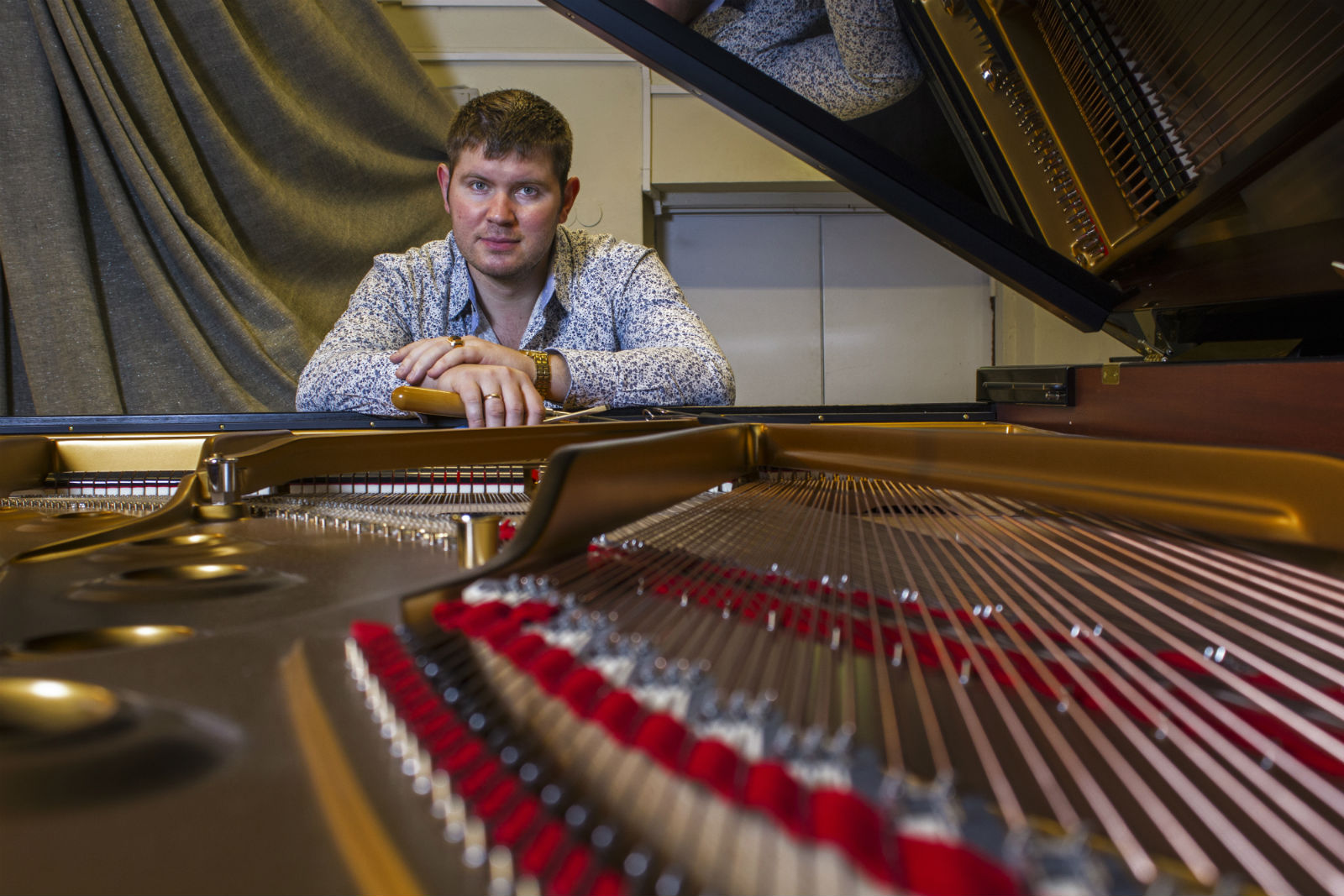
Piano tuner Rodion Matvejev of the Georg Ots Tallinn Music School will help if your instrument sounds wrong or does not meet your expectations.